
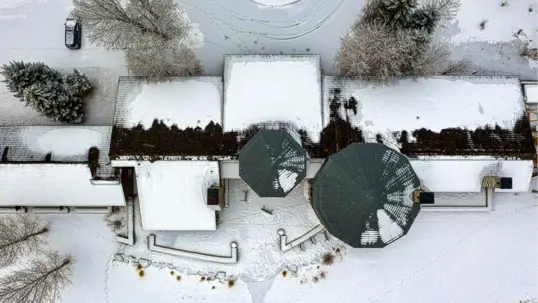
Winter in Pennsylvania and Ohio is more than just cold temperatures; it's a season that can quietly wreak havoc on your lawn, shrubs, trees, and hardscape. Snow accumulation, repeated freeze–thaw cycles, and harsh deicing products can leave homeowners with expensive spring repairs they never saw coming. At Fairfield Landscaping, we see these issues every winter, and most of them are preventable with the right knowledge and routine care.
Mistake #1: Using the Wrong Ice Melt (And Damaging Your Lawn & Hardscapes)
Many popular deicing salts are extremely harsh on grass, shrubs, and concrete. Rock salt (sodium chloride), the most common ice melt used in PA, burns plant roots, discolors turf, degrades soil quality, and accelerates concrete cracking. When spring arrives, homeowners often notice dead grass along their driveway edges or white, powdery residue across pavers.
How to Prevent It:
Choose plant-safe alternatives such as calcium magnesium acetate (CMA) or magnesium chloride. They’re gentler on your lawn, safer for pets, and far less damaging to concrete and stone. And when possible, use the minimum amount necessary; more salt doesn’t always equal more melting.
Mistake #2: Piling Snow Directly Onto Landscape Beds
It’s tempting to push or blow snow into shrubs, flower beds, or newly planted areas, but heavy snow loads can break branches, suffocate plants, compact soil, and trap moisture in ways that cause rot. Snow mixed with salt is even more harmful and can kill entire sections of plantings by spring.
How to Prevent It:
Designate “safe” snow piling zones away from shrubs and landscaped edges. When Fairfield’s snow team services commercial sites, we strategically plan snow placement to prevent damage. Homeowners can adopt the same approach.
Mistake #3: Ignoring Freeze–Thaw Damage on Patios & Walkways
Pennsylvania’s winter weather puts extraordinary stress on hardscapes. Water seeps between pavers or concrete joints, freezes, expands, and forces materials to shift or crack. By spring, homeowners often find uneven pavers, widened joints, and broken edges.
How to Prevent It:
Keep walkways clear of ice buildup, regularly sweep debris from joints, and avoid corrosive salts. Proper drainage and professional installation make a huge difference; if water isn’t pooling, freeze–thaw pressure is reduced. Winter is also a great time to schedule inspections for potential issues.
Mistake #4: Forgetting to Protect Vulnerable Shrubs & Evergreens
Boxwoods, arborvitae, hydrangeas, and other popular shrubs in Western PA are highly susceptible to winter burn. Cold winds, sun reflection from snow, and dry soil pull moisture from evergreen foliage faster than the plant can replace it. The result? Brown, brittle, or dead patches come spring.
How to Prevent It:
Apply winter mulch, use burlap wrap on exposed shrubs, and give plants a deep watering before the ground freezes. These simple steps reduce moisture loss and shield sensitive foliage from winter stress.
Mistake #5: Overlooking Tree Hazards Until After a Storm
Winter storms expose weak limbs quickly. Waiting until damage occurs often leads to emergency removals or repairs far more costly than preventative care. Many homeowners don’t realize a tree is a hazard until it's leaning, splitting, or dropping limbs.
How to Prevent It:
Schedule a winter tree assessment. With leaves gone, our team can clearly identify structural problems and remove hazards before heavy snow or ice makes them worse.
Protect Your Landscape Now for a Better Spring
Snow and ice don’t have to spell disaster for your yard. With a few preventative steps and a team that understands winter in Western Pennsylvania, your lawn, shrubs, trees, and hardscapes can come out of the season healthier than ever. If you want to avoid costly spring repairs and prepare your property for the months ahead, Fairfield Landscaping is here to help.
Learn more or request a winter quote.